
In today’s digital age, having a strong online presence is crucial for businesses to thrive. E-commerce platforms have revolutionized the way we shop and interact with brands, offering unparalleled convenience and accessibility. With the right e-commerce platform, you can take your online store to the next level, reaching a wider audience and increasing sales. From customizable templates to seamless payment processing, these platforms provide the tools and features necessary to create a successful and engaging online shopping experience, helping you stay ahead of the competition and achieve your business goals. Effective e-commerce solutions await.
To take your online store to the next level, you’ll want to explore the world of E-commerce platforms. These platforms provide the foundation for your online business, allowing you to showcase and sell your products to a global audience. Here are five key aspects to consider:
Introduction to E-commerce Platforms
E-commerce platforms are software solutions that enable businesses to create and manage their online stores. These platforms typically provide a range of tools and features, including product management, order management, and payment processing. By choosing the right e-commerce platform, you can streamline your operations, improve customer experience, and increase sales.
Key Features of E-commerce Platforms
When selecting an e-commerce platform, it’s essential to consider the key features that will support your business growth. Some of the most important features include customizable templates, responsive design, and SEO optimization. Additionally, look for platforms that offer integration with third-party apps, multi-channel selling, and advanced analytics. These features will help you create a professional-looking online store, reach a broader audience, and make data-driven decisions.
Popular E-commerce Platforms
There are many e-commerce platforms to choose from, each with its strengths and weaknesses. Some of the most popular options include Shopify, WooCommerce, and BigCommerce. These platforms offer a range of plans and pricing models, so it’s crucial to evaluate your business needs and choose the platform that best aligns with your goals. Consider factors such as scalability, security, and customer support when making your decision.
E-commerce Platform Comparison
To help you make an informed decision, here is a comparison table of some popular e-commerce platforms:
| Platform | Key Features | Pricing |
|---|---|---|
| Shopify | Customizable templates, responsive design, SEO optimization | $29-$299 per month |
| WooCommerce | Integration with WordPress, extensive plugin library, flexible pricing | Free-$29 per month |
| BigCommerce | Advanced analytics, multi-channel selling, secure payment processing | $29.95-$249.95 per month |
When evaluating e-commerce platforms, consider factors such as ease of use, customization options, and integrations with third-party apps.
Optimizing Your E-commerce Platform
Once you’ve chosen an e-commerce platform, it’s essential to optimize it for maximum performance. This includes optimizing product images, streamlining checkout processes, and improving page load times. Additionally, consider implementing a content marketing strategy, utilizing social media, and offering personalized customer experiences to drive sales and growth. By monitoring analytics and making data-driven decisions, you can continually improve your online store and stay ahead of the competition.
Which platform is best for an ecommerce store?

When it comes to choosing the best platform for an ecommerce store, there are several options to consider. The best platform depends on various factors such as the size and type of business, target audience, and technical expertise. Some of the most popular ecommerce platforms include Shopify, WooCommerce, and BigCommerce. Each platform has its own set of features, customization options, and integrations that can make it more or less suitable for a particular business.
Key Features to Consider
When evaluating ecommerce platforms, there are several key features to consider. These include payment gateways, shipping integrations, and product management tools. A good ecommerce platform should also have robust security measures in place to protect customer data and prevent cyber attacks. Additionally, the platform should be scalable and able to handle high traffic volumes. Some of the key features to consider when choosing an ecommerce platform include:
- Mobile responsiveness: The platform should have a mobile-friendly design to ensure a good user experience on smaller screens.
- Customization options: The platform should offer a range of customization options to allow businesses to tailor the design and functionality to their needs.
- Integration with third-party apps: The platform should have a range of integrations with third-party apps to extend its functionality and offer more features to customers.
Popular Ecommerce Platforms
There are many popular ecommerce platforms to choose from, each with its own strengths and weaknesses. Shopify is a popular choice for small to medium-sized businesses, offering a range of templates and customization options. WooCommerce is a popular choice for businesses that already use WordPress, offering a range of extensions and integrations. BigCommerce is a popular choice for larger businesses, offering a range of advanced features and customization options. Some of the key benefits of using a popular ecommerce platform include:
- <strong,Ease of use: Popular ecommerce platforms are often easy to use, even for those without technical expertise.
- Large community: Popular ecommerce platforms often have a large community of users, which can be a great resource for support and advice.
- Regular updates: Popular ecommerce platforms are often regularly updated with new features and security patches.
Future-Proofing Your Ecommerce Store
When choosing an ecommerce platform, it’s essential to consider the future needs of your business. A good ecommerce platform should be scalable and able to handle high traffic volumes, as well as offer a range of customization options to allow you to tailor the design and functionality to your needs. The platform should also have a range of integrations with third-party apps to extend its functionality and offer more features to customers. Some of the key things to consider when future-proofing your ecommerce store include:
- Cloud hosting: Cloud hosting can offer scalability and reliability, making it a good option for businesses that expect to experience high traffic volumes.
- Artificial intelligence: Artificial intelligence can offer a range of benefits, including personalized product recommendations and streamlined customer service.
- Machine learning: Machine learning can offer a range of benefits, including predictive analytics and automated marketing.
What is the future of e-commerce and online retail?
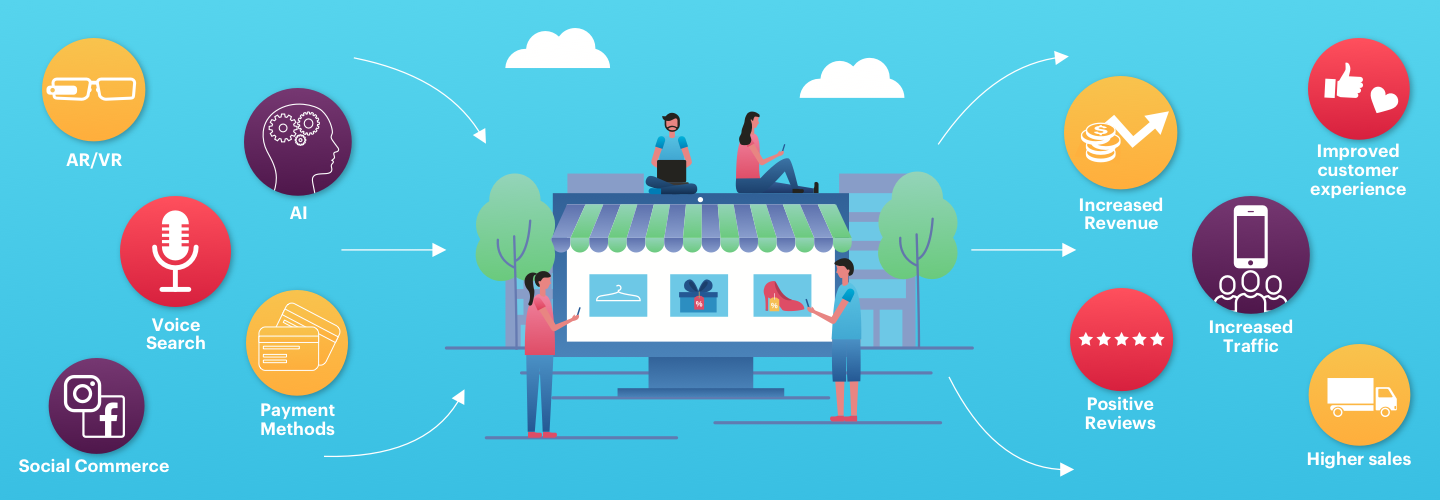
The future of e-commerce and online retail is expected to be shaped by several key factors, including technological advancements, changing consumer behavior, and increased competition. As more and more people turn to online shopping, companies will need to adapt to meet their needs and stay ahead of the curve. This will involve investing in artificial intelligence, machine learning, and data analytics to better understand customer preferences and provide personalized experiences.
Emerging Trends in E-commerce
The future of e-commerce will be characterized by several emerging trends, including the use of social media and influencer marketing to reach customers. Companies will also need to focus on providing seamless and secure payment options, as well as fast and reliable shipping. Some of the key trends to watch include:
- Omnichannel retailing, which involves providing a cohesive brand experience across all channels and devices
- Virtual and augmented reality, which can be used to create immersive and interactive shopping experiences
- Sustainable and eco-friendly practices, which are becoming increasingly important to consumers and can help companies to differentiate themselves
The Role of Artificial Intelligence in E-commerce
Artificial intelligence is expected to play a major role in the future of e-commerce, enabling companies to provide personalized recommendations and automated customer service. AI can also be used to analyze customer data and provide insights into behavior and preferences. Some of the key applications of AI in e-commerce include:
- Chatbots and virtual assistants, which can be used to provide customer support and answer frequently asked questions
- Product recommendations, which can be based on customer browsing and purchasing history
- Predictive analytics, which can be used to forecast demand and optimize inventory management
Security and Trust in E-commerce
As e-commerce continues to grow, security and trust will become increasingly important. Companies will need to invest in robust security measures, such as encryption and two-factor authentication, to protect customer data and prevent cyber attacks. Some of the key strategies for building trust in e-commerce include:
- Transparent and clear policies, including those related to returns and refunds
- Secure payment options, such as credit cards and PayPal
- Customer reviews and ratings, which can help to build trust and credibility
What is the most successful ecommerce platform?
The most successful ecommerce platform is a matter of debate, as different platforms have their own strengths and weaknesses. However, some of the most popular and widely used ecommerce platforms include Shopify, Magento, and WooCommerce. These platforms offer a range of features and tools that make it easy to set up and manage an online store, including payment gateways, shipping integrations, and inventory management.
Features of a Successful Ecommerce Platform
A successful ecommerce platform should have a range of features that make it easy to set up and manage an online store. Some of the key features include:
- Customizable templates that allow users to create a unique and professional-looking store
- Secure payment processing that protects customers’ sensitive information
- Inventory management tools that make it easy to track and manage stock levels
These features can help to improve the overall user experience and increase sales and revenue.
Benefits of Using a Popular Ecommerce Platform
Using a popular ecommerce platform can have a number of benefits, including increased visibility and access to a large community of users and developers. Some of the other benefits include:
- Regular updates and security patches that help to keep the platform secure and up-to-date
- Access to a range of extensions and plugins that can add new features and functionality to the platform
- Support from a large community of users and developers who can provide help and advice
These benefits can help to make it easier to set up and manage an online store, and can help to improve the overall user experience.
Choosing the Right Ecommerce Platform for Your Business
Choosing the right ecommerce platform for your business can be a difficult decision, as there are many different options available. Some of the key factors to consider include:
- Scalability and the ability to handle increased traffic and sales
- Customization options and the ability to create a unique and professional-looking store
- Integration with other tools and services such as payment gateways and shipping providers
By considering these factors and choosing a platform that meets your needs, you can help to ensure the success of your online store and improve the overall user experience.
Frequently Asked Questions
What are the key features to consider when choosing an e-commerce platform?
When selecting an e-commerce platform, it’s essential to consider several key features that can make or break your online store’s success. First and foremost, you should look for a platform that offers scalability, allowing your store to grow and adapt to increasing traffic and sales. Additionally, a user-friendly interface is crucial for both you and your customers, ensuring a seamless shopping experience. Other important features to consider include payment gateway integration, inventory management, and shipping options. Moreover, security is a top priority, so make sure the platform you choose has robust security measures in place to protect your customers’ sensitive information. By carefully evaluating these features, you can choose an e-commerce platform that meets your business needs and helps you take your online store to the next level.
How can I optimize my e-commerce platform for mobile devices?
In today’s digital age, mobile optimization is no longer a luxury, but a necessity for e-commerce platforms. To optimize your platform for mobile devices, you should start by ensuring that your website has a responsive design, which automatically adjusts to fit different screen sizes and devices. This will provide your customers with a smooth and seamless shopping experience, regardless of whether they’re using a smartphone, tablet, or desktop computer. Furthermore, you should streamline your checkout process to reduce friction and make it easier for customers to complete their purchases on-the-go. You can also consider implementing mobile-specific features, such as touch-friendly menus and easy-to-use payment options, to enhance the overall mobile shopping experience. By prioritizing mobile optimization, you can increase conversions, boost sales, and stay ahead of the competition.
What are the benefits of using a cloud-based e-commerce platform?
Using a cloud-based e-commerce platform can bring numerous benefits to your online store. For one, cloud hosting provides unlimited scalability, allowing your store to handle sudden spikes in traffic without compromising performance. Additionally, cloud-based platforms often come with built-in security features, such as firewalls and SSL certificates, to protect your store from potential threats. Another significant advantage is automated software updates, which ensure that your platform is always up-to-date with the latest security patches and feature releases. Moreover, cloud-based platforms typically offer flexible pricing plans, which can help you save costs and allocate resources more efficiently. By leveraging the power of cloud computing, you can focus on growing your business, rather than worrying about the technical aspects of running an online store.
How can I integrate social media with my e-commerce platform?
Integrating social media with your e-commerce platform can be a game-changer for your online store. By connecting your social media accounts to your platform, you can sync your product catalogs, share customer reviews, and run social media ads directly from your store’s dashboard. This can help you reach a wider audience, increase brand awareness, and drive more sales. You can also use social media analytics to gain valuable insights into your customers’ behavior and preferences, allowing you to optimize your marketing strategies and improve customer engagement. Moreover, many e-commerce platforms offer built-in social media tools, such as Facebook Shop and Instagram Shopping, which enable customers to purchase products directly from your social media feeds. By leveraging the power of social media, you can take your online store to the next level and stay competitive in today’s fast-paced e-commerce landscape.